Event Archive

Sexual Health, Trauma and Positive Psychology (Part II)

Fall 2020


According to the WHO (2006), sexual health is “a state of physical, emotional, mental, and social well-being in relation to sexuality… (that) requires a positive and respectful approach to sexuality and sexual relationships, as well as the possibility of having pleasurable and safe sexual experiences, free of coercion, discrimination, and violence”

This workshop introduced practical ways to handle traumatic experience, cultivate resilience and wellbeing through the lens of positive psychology.

Dr. WONG Chung Hin Willy is a specialist in psychiatry and the Director of Hong Kong Psychiatry and Integrated Medical Centre. He is also a certified sex therapist of the Hong Kong Association of Sexuality Educators, Researchers and Therapists Limited. Mr. Carl Chung is the founder of Teengineer - Institute of Positive Psychology. He has an extensive experience in promoting the science of well-being and mental health to the public.


Sexual Health, Trauma and Positive Psychology (Part I)

Fall 2020


Intimacy, sexuality and sexual expression are basic human needs. Our understanding towards sex and intimacy affects how we see ourselves and the relationships with others. This workshop discussed the relationship between having a healthy view on sexuality and its impacts on overall psychological well-being. By achieving positive relationships, you will enjoy the companionship, excitement, fulfillment of emotional pleasure and love.

Dr. WONG Chung Hin Willy is a specialist in psychiatry and the Director of Hong Kong Psychiatry and Integrated Medical Centre. He is also a certified sex therapist of the Hong Kong Association of Sexuality Educators, Researchers and Therapists Limited. Mr. Hugo Ho has an extensive experience in working with children and youth. He currently focuses on sexual minority services and provides voluntary sex therapy consultation for deprived groups.

Enhance EQ & Support Your Friends

Fall 2020


According to Daniel Goleman, an American psychologist who popularized emotional intelligence, there are five key elements of emotional intelligence: Self-awareness, Self-regulation, Motivation, Empathy and Social Skills. People with high emotional intelligence will be able to understand, use and manage our own emotions in constructive ways to alleviate stress, communicate effectively, empathize with others, overcome challenges and defuse conflicts.

In this workshop, Ms. Kate Yu shared on integrating psychological theories into practical tips for students to navigate social and emotional obstacles to our well-being. She guided us to gain insights in human emotions and social interactions through some interesting thought-experiments and case studies. We are inspired to value self-care and empathetic communication in facing stress and adversity in life, thus gaining more confidence in handling our own emotions and in turn rendering timely support to our beloved ones.

Can't Stop the Wave. Let's Learn to Surf: Cultivating Self-Compassion for Well-Being

Fall 2020


Whilst many of us find it natural to offer compassion towards others, we may struggle to offer the same sense of kindness and tenderness to ourselves, especially when life brings challenges and failures. In fact, self-criticism and judgment can reduce our ability to experience joy in everyday life - and even hold us back from achieving our personal goals.

In this workshop, Dr Adrian Wan guided us to learn how to cultivate more personal space for loving awareness and self-kindness in our daily life, thus enhancing our capacity for emotional well-being and building resilience. With a spirt of openness and tenderness, we will stop being so hard on ourselved but motivate and encourage us with greater ease and confidence.

Dr Adrian Wan is a registered Social Work (R.S.W.), CT and the first Certified Mindful Self-Compassion (MSC) Teacher in Hong Kong.

Finding Your Inner Peace with Pastel Nagomi Art 和諧粉彩

Fall 2020


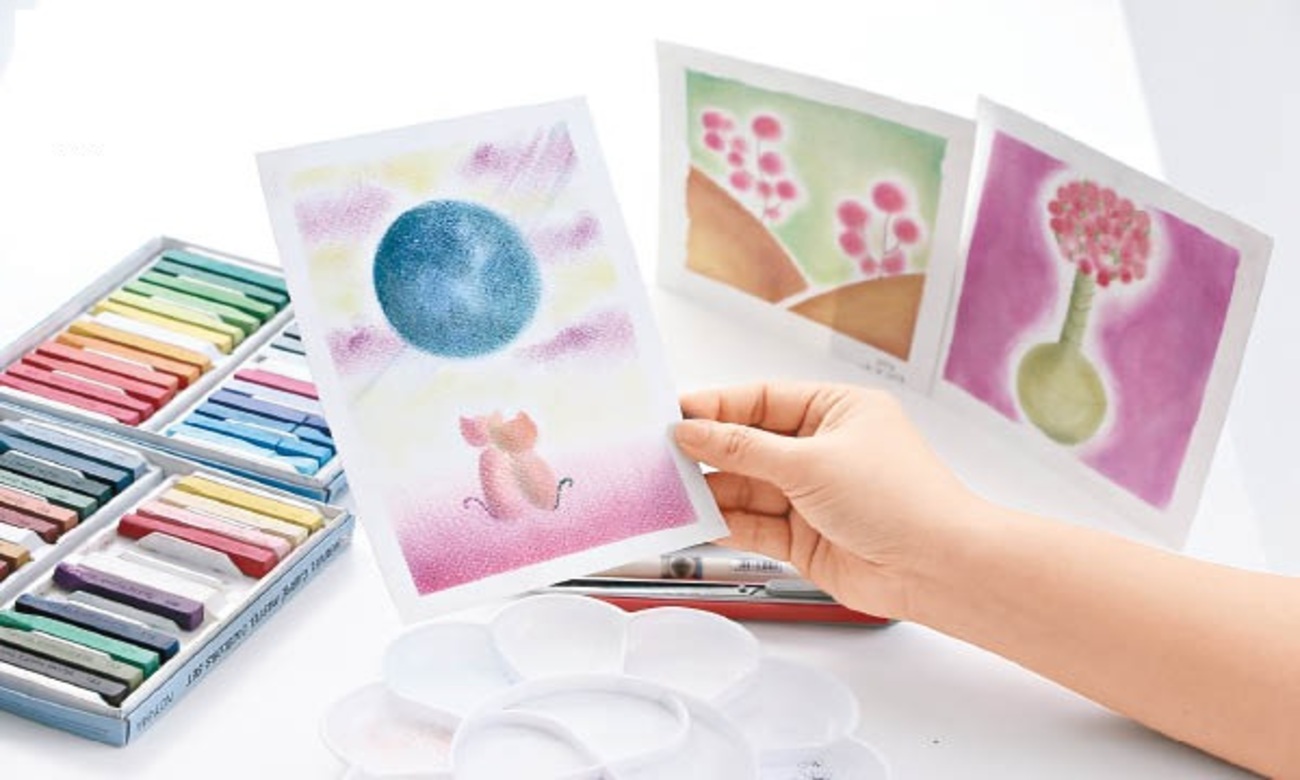
After a month of adapting the new normal of mixed-mode online learning, a group of students joined a fun and artistic afternoon with Ms. Michelle Leung, Advanced Instructor of Pastel Nagomi Art & Registered Social Worker to taste the serenity out of busy school life.

Pastel Nagomi Art is a form of healing art founded in Japan, which uses powered pastels and fingers to create a transparent, gentle, warm and heart-touching art through simple yet unique ways of painting techniques. The word “Nagomi” carries the meaning of harmony, calm and peace.

Regardless of age and different skill levels, anyone can complete a piece of artwork without much difficulty. There is no right or wrong or any drawing rules. The therapeutic nature of this pastel art is able to sooth emotions, restore confidence, relax your mind, reduce stress and depression.

The Psychology of Self-Care

Fall 2020


University life & Postgraduate studies can be fruitful, but challenging. There will be ups and downs from time to time. In this workshop, Ms. Kate Yu introduced “The Cognitive Triangle” to point out that our thoughts, emotions and behaviors are all interconnected with each other, and influence our mind, emotions and actions. As a result, it is importance for us to manage our own emotions in constructive ways to alleviate stress, communicate effectively, empathize with others, overcome challenges and defuse conflicts.

Self-care starts with accepting yourself that we have blind spots. Through self-reflection and positive thinking, you can let out everything you have been holding back and to ponder on life to pursue your dreams and goals.

Untangle with Zentangle

Summer 2020


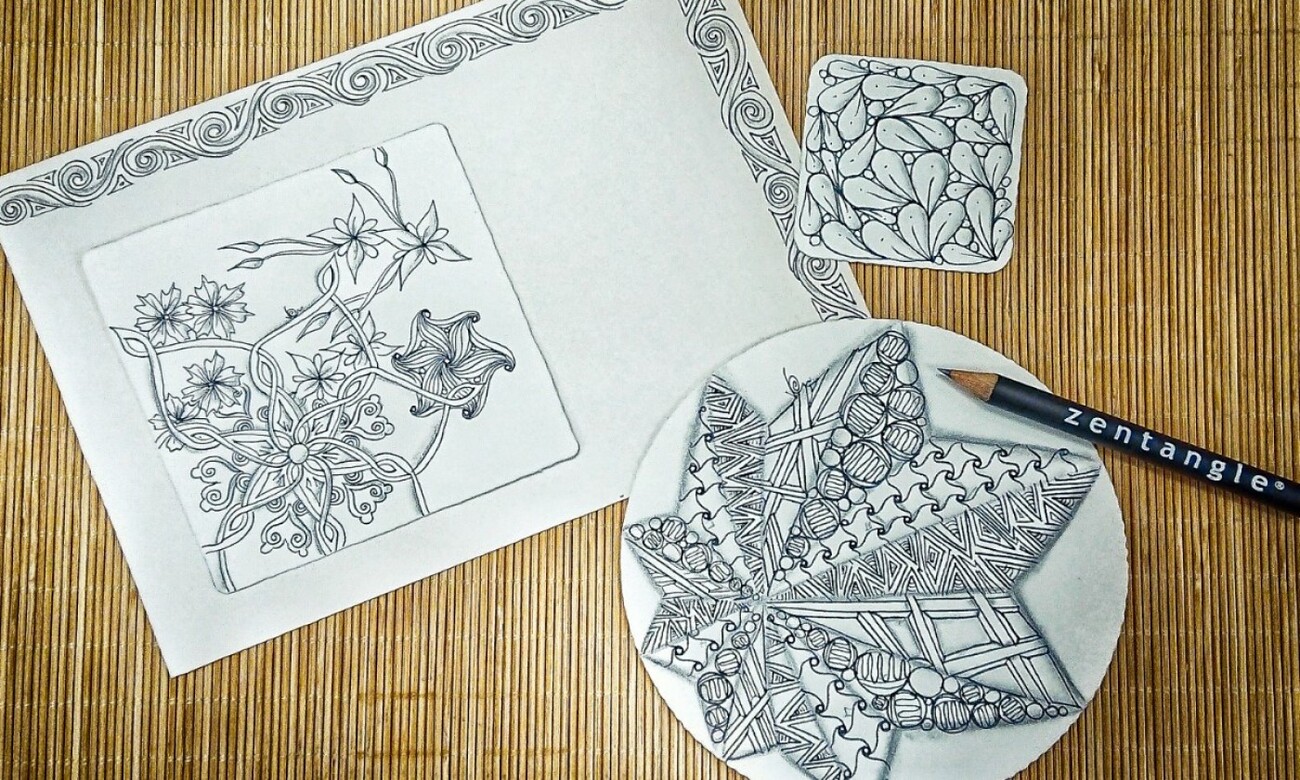
A group of students spent a fun and soothing Saturday afternoon with Mr. Henri Chan, Certificated Zentangle Teacher & Co-founder of Visible Invisible to learn drawing structured pattern with combination of dots, lines, simple curves and orbs.

Zentangle art is non-judgmental and unplanned, so you can focus on each stroke and no need to worry about the result. There is no right or wrong, so an eraser is not part of the tools in Zentangle Kit. Instead of erasing “mistake”, Zentangle teaches you how to incorporate what seem like “mistakes” into the overall pattern of the design. It is a great metaphor for everyday life— nothing is perfect, but how you adjust to imperfections (mistakes or the unexpected) in life is what really matters.

Mental Health Refresher Course for SHRLO

Summer 2020


This workshop introduces the importance of mental health awareness and what to expect from hall tutors on supporting students who are with mental health difficulties, features of common mental health concerns on campus, and basic knowledge in the early detection of mental health problems.

In the workshop, participants also had the chance to practice effective helping skills and discuss issues that are relevant to carrying out their hall tutor duties, as well as to equip themselves with knowledge in psychological intervention to handle mental health crisis including self-harm, suicidal ideation, panic attacks, psychosis, and violent behaviors.

Connect with Your Heart - Find the Inner Peace

Spring 2020


Spring 2020 has been a challenging Term. The COVID-19 is causing significant changes to our daily lives, learning, as well as interaction with others. The unprecedented event may also cause potential anxiety and stress to us. It is not uncommon to experience emotional disturbance. The following workshops have been organised to mitigate emotional distress and give students some insights into balance of life, inner peace, family connectedness and authentic happiness. If you have missed them, please stay tuned for more upcoming workshops to enhance your well-being.

• Self-care in Critical Incidents
Critical incidents are typically sudden and powerful events which are outside the normal range of ordinary human experiences. Student Counselor introduced the common psychological reactions that follow critical incidents and shared helpful strategies in managing stress and negative emotions.

• Finding Peace in Adversity
When the world around us seems chaotic, we may find it hard to contain the difficult emotions and regain inner peace. Student Counselor made use of the skills of Somatic Experiencing® and Integral Somatic Psychology™ to cultivate inner peace and connected with ourselves and one another.

• Beat Exam Anxiety
As a university student, it is perfectly natural to feel anxious and nervous when preparing for and taking an assessment or examination. Student Counselor introduced several common worries that cause exam anxiety and shared techniques to deal with it.

• Maintaining Wellness @ Home
Even we are almost home-bounded, our mental wellness should be part of our daily lives. Student Counselor provided practical suggestions and tips in managing life at home. Participants were also invited to share their good practices and experience.

• Making Good Use of Stress and Emotions
Stress and Emotions are unavoidable but very often misinterpreted, ignored or suppressed in our daily lives. Student Counselor guided participants to gain a better understanding of their emotions, how it related to our psychological needs and knew more about the effective ways to manage stress.

• The Secrets to Effective Family Communication
When we are facing lots of doubts and uncertainty, the bond with family can provide a sense of security and comfort. Student Counselor shared tips to communicate with significant others when having different points of views and skills to address the emotional needs in the conversation.

• Building a Resilient Habit - A Doorway to Meditation
Mindfulness is moment-to-moment, non-judgmental awareness, developed through the practice of meditation. It can help improve attention, boost the immune system, cultivate well-being and happiness, reduce stress and enhance creativity. In this workshop, students learnt about the science of meditation, different types of meditation, and how to do the basic mindfulness meditation.

• In Pursuit of Authentic Happiness
We can boost our happiness by showing our gratitude to others, cultivating optimism, practicing acts of kindness, nurturing trustful social relationships, practicing mindfulness, exercising, feeling hopeful and cultivating laughter. In this workshop, students knew more about these meaningful practices and learnt how to develop these practices to achieve authentic happiness.

• Understanding Your Attachment Style
Early parent-child interaction dynamics result in different attachment styles – secure, avoidant, ambivalent, and disorganized. The workshop offered students an initial self-understanding about their unconscious pattern of interpersonal relationship. With such an awareness, we can build a secure and healthier relationship with others as we all have the innate ability to heal.

• Getting the Love You Want
Conflict is a normal part of any relationship.  This workshop offered practical tips on conflict management and step-by-step resolutions to improve relationships. Students were guided to understand more on what constitutes a conflict and the importance of healthy conflict resolution.

Dance with Depression 與抑鬱共舞

Spring 2020


The talk was organized in collaboration with Library. In the life full of uncertainties, we could unlock our power and embrace the challenge. Dr Christine Lau Pui-ting shared with students and colleagues the interplay among anxiety, loneliness and depression from the perspective of psychological counseling. Emotions is a way of expression. We all have ups and downs in our life. When we are feeling down or sad, we could greet the emotions, be with them, then say goodbye and move forward.